

Display exhibition
CONTACT US

Fax:

Website:www.jshamuseum.com
Add:58-8 Ninghai North Road, Hai'an City, Nantong City
| Hits:439 Date:2026-07-31 |
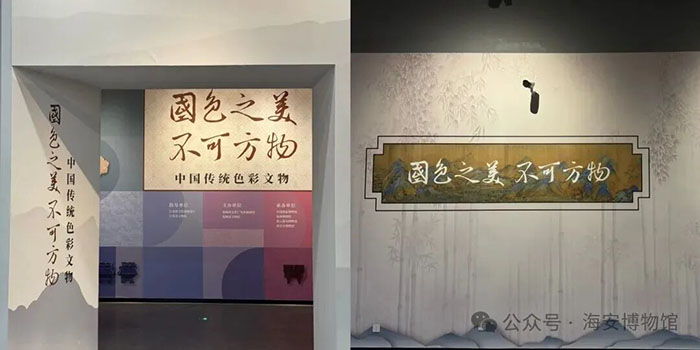
Color is the most direct visual carrier for human perception of the world, and also the purest visual medium that triggers aesthetic empathy. As early as the Stone Age, ancient ancestors created simple and beautiful colored pottery through primitive production labor, which was the initial practice of traditional colors.
Chinese traditional colors contain cosmology, philosophy, values, and aesthetics, integrating aesthetics and daily life, and are the deep spiritual feelings and belief pursuits of the Chinese people. This color system is centered around the five color system of "blue, red, yellow, white, and black", corresponding to the five directions of east, south, center, west, and north, and closely connected to the elements of metal, wood, water, fire, and earth. During the Qin and Han dynasties, the "Five Directions and Positive Colors" system was widely used, permeating into aspects such as the Five Seasons, Five Sounds, Five Organs, Five Flavors, and Five Constants, laying the foundation for traditional Chinese cultural thought.
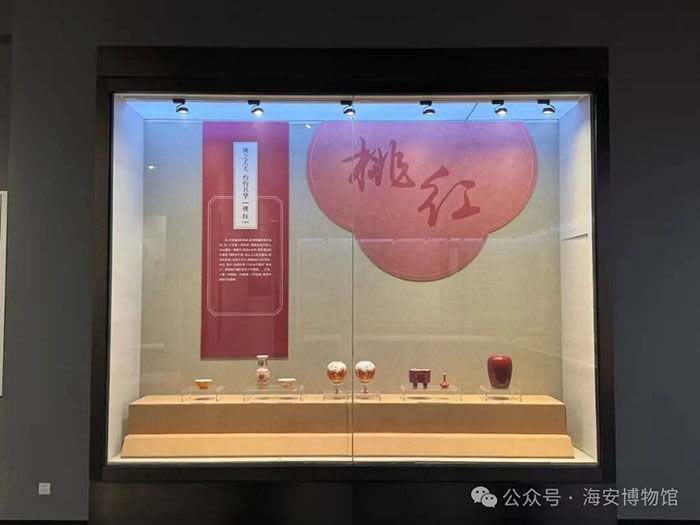
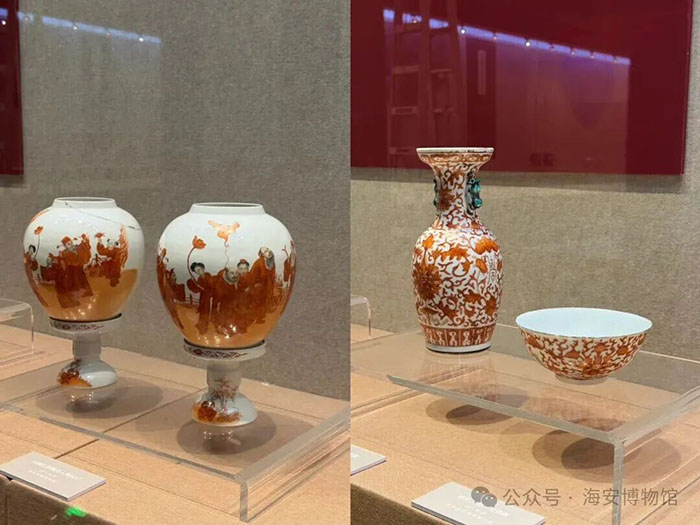
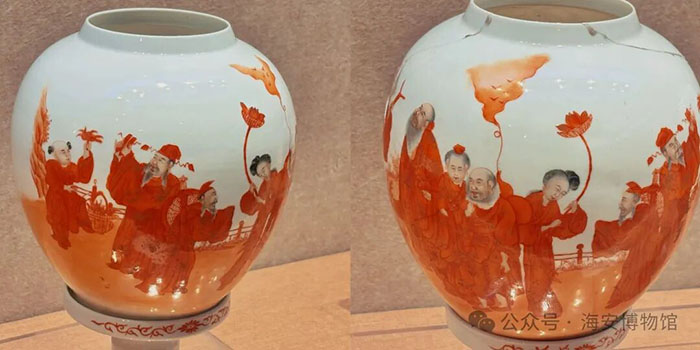
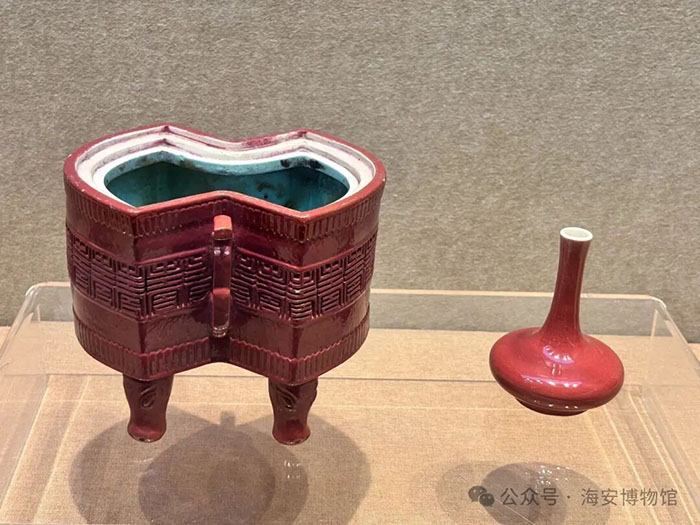
One Peach's radiance shines brightly - peach red
Red is the color of the sun. Red is often used to describe the sun and fire, symbolizing brightness, heat, and intensity. It belongs to the positive color of the Five Elements and represents the south, while "red" refers to light red. Since the Tang and Song dynasties, red gradually replaced "red" as the general term for the red color system.
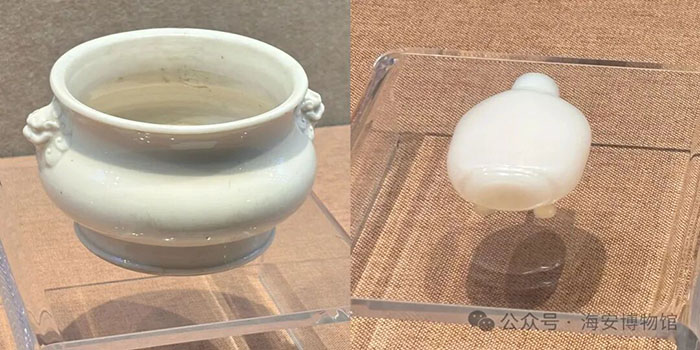
Two The green and white dew of the tea leaves is like frost - condensed fat White is also a Western color. White represents the West and belongs to the metal. In traditional Chinese culture, white symbolizes pure white, tranquility, purity, elegance, brightness, and justice. In traditional literati paintings, white represents endless imagination, and the concept of "using white as black" combines blank space with reality to depict the scenery outside the painting, which is an extension of the author's emotions.
Three Qiao Huang's scattered morning dew is silent - Xiang Ye
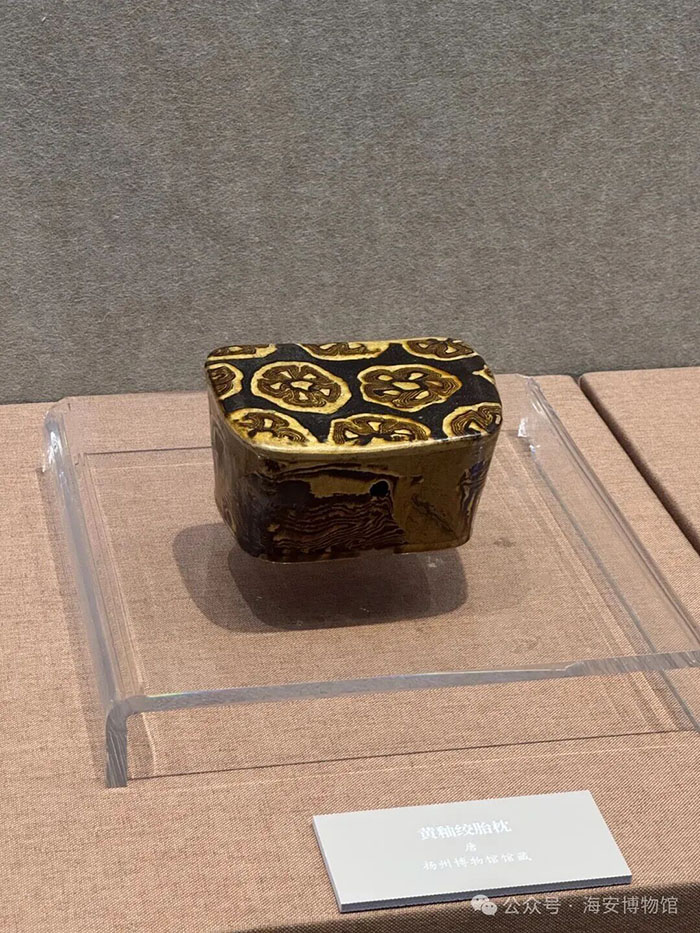
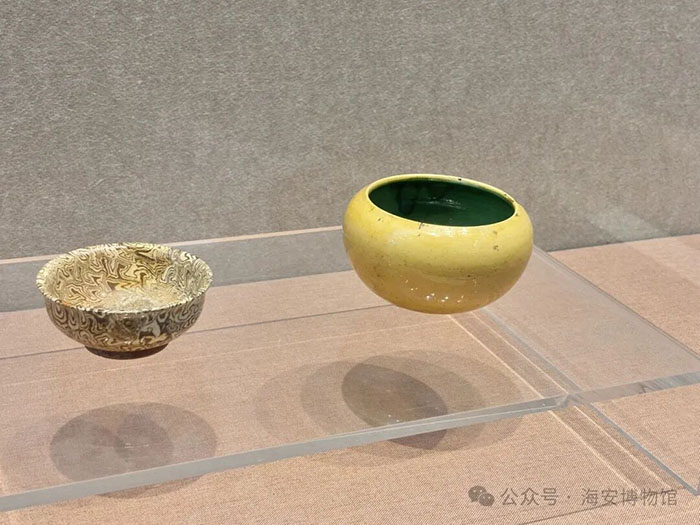
Yellow is the color that symbolizes power among the five colors, representing nobility, sacredness, nobility, and auspiciousness. Bright yellow is widely used in large-scale celebrations and sacrificial activities. Yellow also represents the land, symbolizing ancient agricultural civilization, and is a heavy and simple color.
Four Warm breeze light and subtle fragrance floating - agarwood
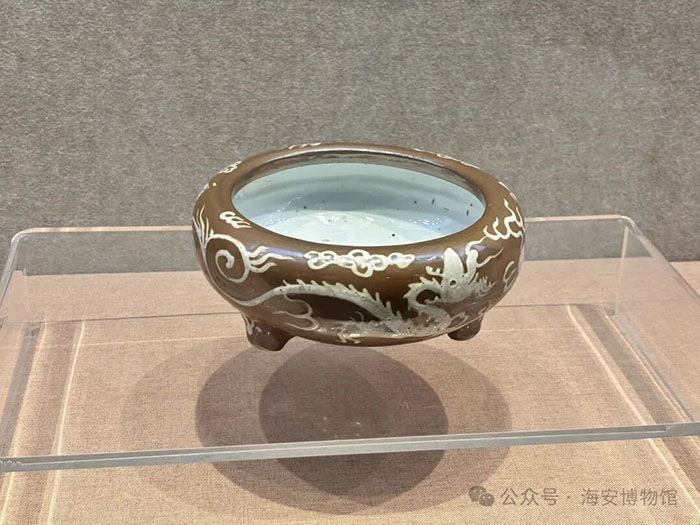
Agarwood is a spice that often has a steady color tone of yellow, black, and brown. Agarwood placed in the furnace is an essential treasure for literati to introspect and cultivate their minds. Surrounded by clouds and mist, they immerse themselves in spiritual cultivation, seeking a peaceful depression in their hearts, symbolizing introversion and embodying the philosophical concept of Chinese culture advocating subtlety and tranquility.
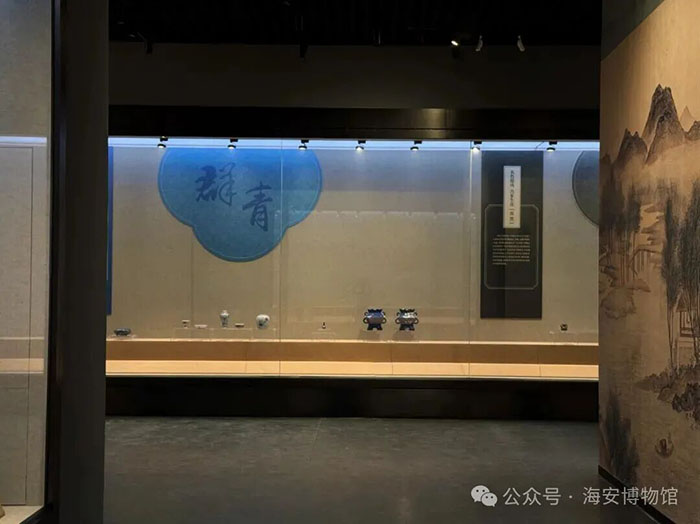
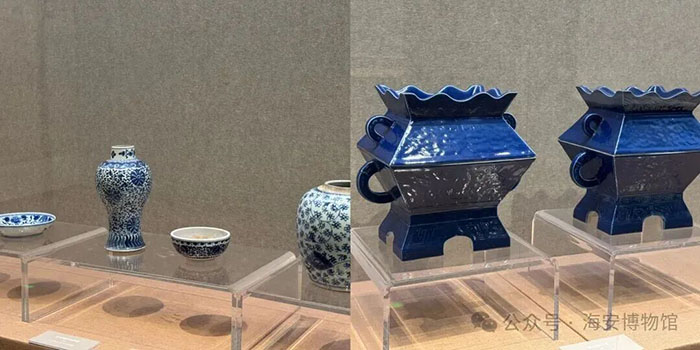
Five At dusk, the blue mountains and moon return with people - Qunqing
Shuowen ":" Blue is also the color of the East. "Blue represents the East and belongs to wood. The origin of green is the color of plants and trees, the color of newborn, symbolizing spring, life, and hope. Blue is widely used in porcelain, especially in the category of blue and white, which is well-known to the world.
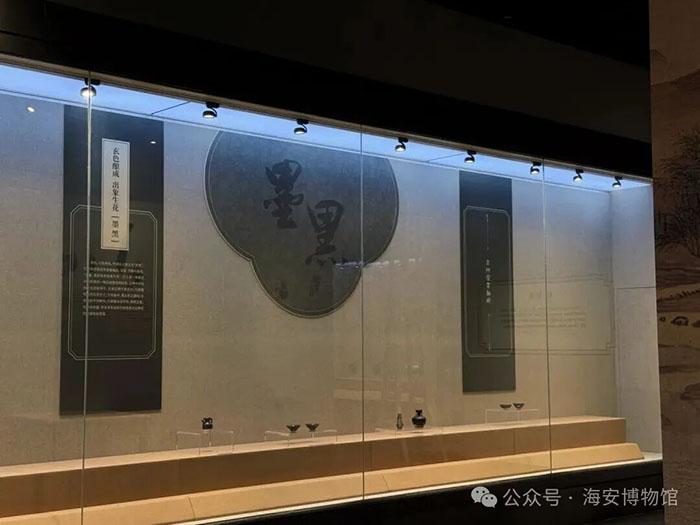
Six Black color creates elephant like flowers - ink black
Black is located in the north and belongs to water, symbolizing the darkness of light and the color of chaos in the universe. Laozi said, "The five colors blind the eyes." "Only by knowing their white and guarding their black can one's heart be like a clear mirror, untainted by dust. Black and white form the" simplest path "of all things in heaven and earth.
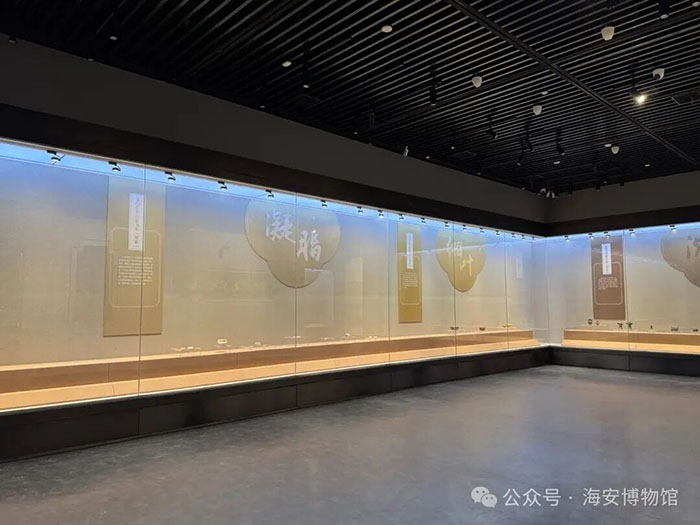
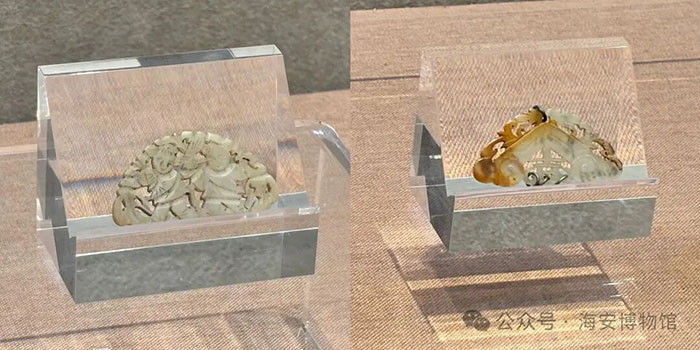
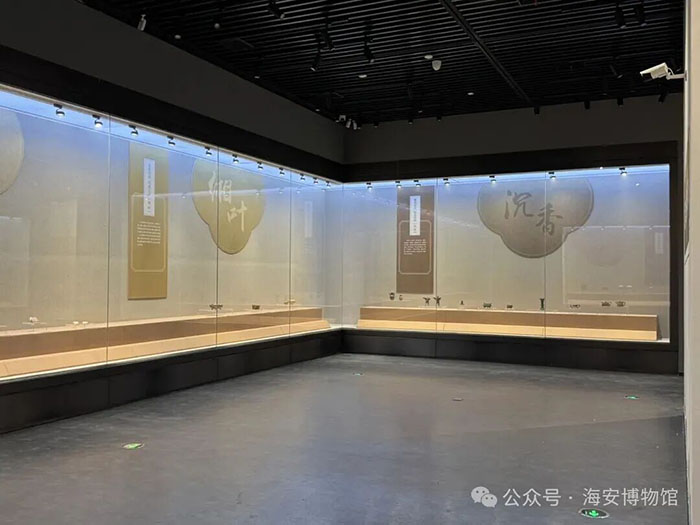
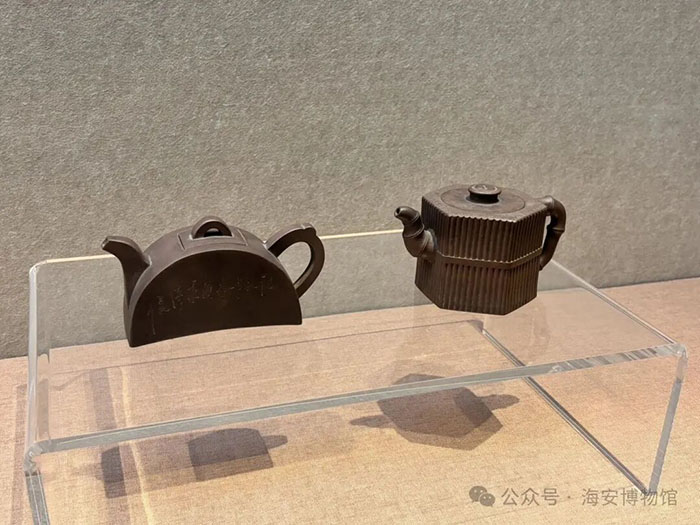
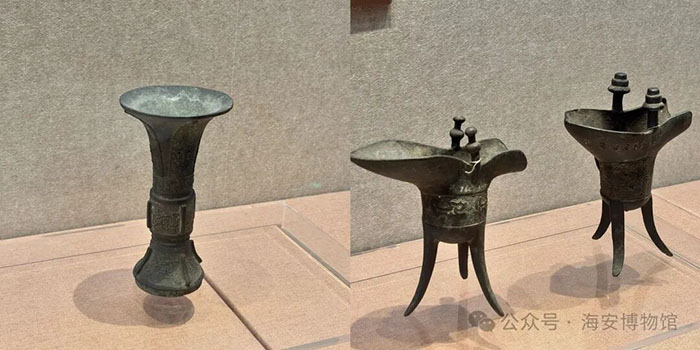
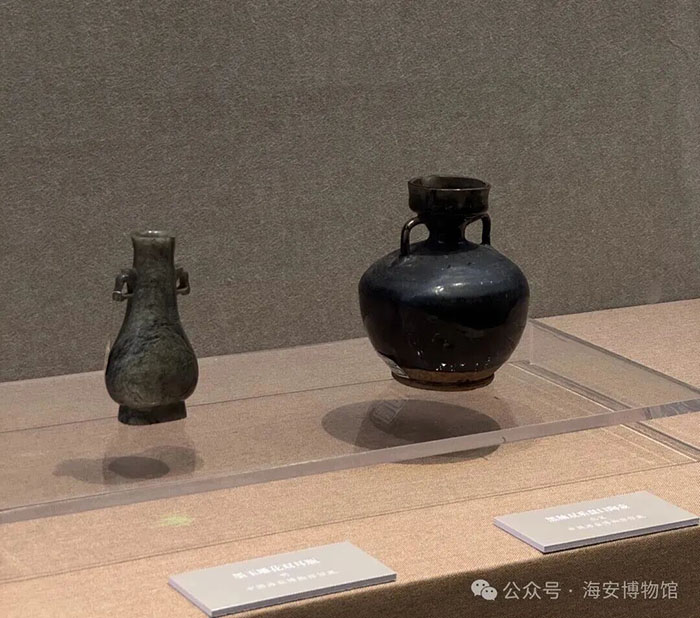
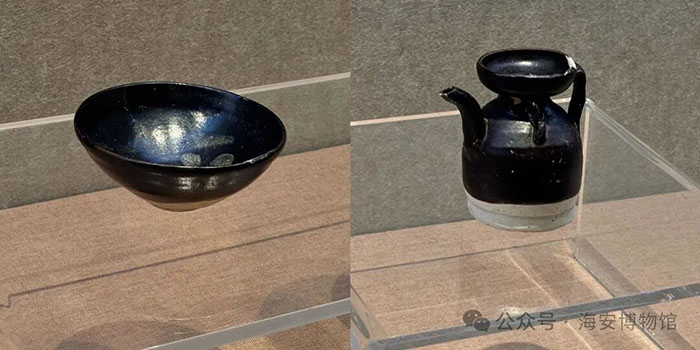
The five colors are filled with a strong philosophical system and are widely used in various aspects of production and life. Throughout history, craftsmen have taken five colors as their origin, supplemented by intermediate colors, and applied their craft according to the materials, creating various styles of daily utensils: jade is pure white and warm, bronze is solemn and dignified, and purple clay is ancient and introverted, all of which are the unique charm of the fusion of materials and colors. This exhibition showcases 55 pieces/sets of cultural relics with different crafts and textures, using objects as carriers and colors as clues, allowing us to truly feel the combination of color and objects. It is the ancient wisdom of creation, as well as the unique aesthetic and philosophical views of Chinese culture. From simple and elegant to colorful and splendid, it fully demonstrates the elegance and romance of the Chinese nation.
Exhibition Notice✨ Exhibition time: August 1st to September 6th, 2026 Exhibition Location: First Floor Exhibition Hall of Hai'an Museum
|
| 【Refresh】【Print】 |
| Last: NoNext:【 Haibo Exhibition News 】 The special exhibition "Five Directions - Collection of Ming and Qing Dyna |